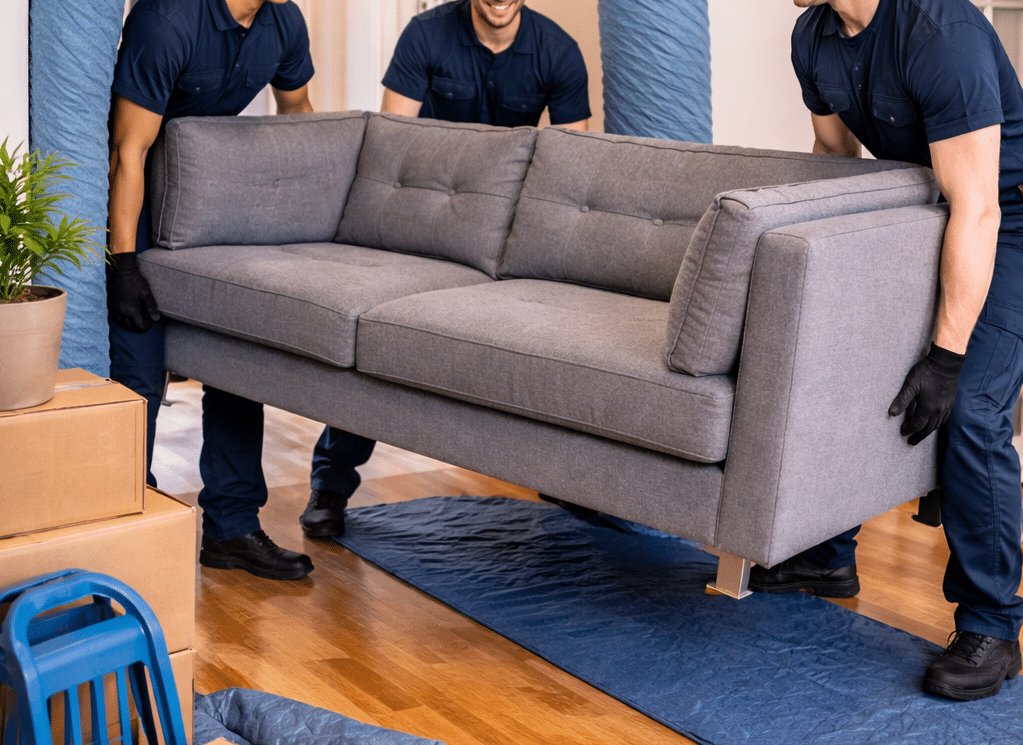
Fridges, washing machines, ovens — they’re some of the most valuable and awkward items to move. They’re heavy, bulky, and sensitive to impact or tilting, which means they need special care during relocation. Whether you’re shifting across town or moving long distance, knowing how to safely move large appliances and whiteware can save you time, money, and potential damage.
At Truck About, we’ve handled thousands of these moves across New Zealand, from delicate double-door fridges to front loaders, cooktops, and commercial-sized freezers. Here’s how we approach the process — and what you can do to prepare your home before moving day.
Step 1: Prepare Your Appliances in Advance
The safest moves start well before moving day. Most whiteware requires a bit of prep to prevent leaks, damage, or electrical hazards.
A few key steps to take early:
- Unplug and clean: Disconnect all appliances from power, water, and gas at least 24 hours before moving. Clean them thoroughly and dry them to avoid mould or odours.
- Defrost fridges and freezers: Turn them off a day in advance, remove all food, and let them dry completely. A small amount of moisture can cause mould or rust if left sealed.
- Drain washing machines and dishwashers: Remove any remaining water and disconnect hoses carefully. Use a towel to absorb leftover moisture.
- Secure loose parts: Shelves, drawers, and cables should be taped or tied down to prevent movement.
Proper preparation not only protects your appliances but also helps our movers load them quickly and safely.
Step 2: Use the Right Equipment
Appliances are heavy — a single fridge can weigh over 100 kilograms. Attempting to lift one without proper gear is a recipe for injury or damage.
We use professional equipment like:
- Furniture dollies and lifting straps: These distribute weight evenly, allowing safe lifting without straining your back.
- Blankets and corner protectors: To prevent scratches, dents, or chipped paint.
- Trolleys designed for stairs: When moving up or down levels, these make a huge difference in stability.
If you’re moving yourself, make sure you have at least two people to help and use the correct tools. Never drag or tilt a fridge beyond a 45-degree angle — doing so can displace internal oil in the compressor, causing failure later.
Step 3: Protect Floors and Walls
Large whiteware can easily scuff hardwood floors, damage tiles, or chip walls during tight manoeuvres. Before the move, clear all obstacles and lay down old towels, cardboard sheets, or moving mats to protect flooring.
At Truck About, we always take extra care when navigating tight spaces. We plan each move-out route before lifting begins to avoid unnecessary turns or scratches.
Step 4: Secure Proper Transport Position
Not all items travel the same way. Fridges and freezers, for example, should always be kept upright during transport to prevent compressor oil from leaking into the cooling system. Washing machines and dishwashers should be transported standing as well, with hoses disconnected and doors taped shut.
When loading, we secure each appliance tightly against the truck wall using straps and padding for stability. Nothing moves once the journey begins — even on uneven rural roads.
Step 5: Know When to Get Professional Help
Some appliances need more than careful lifting — they need specialist handling.
If you’re moving a double-door fridge, large oven, or spa-style laundry setup, it’s best to leave it to experienced movers.
Our team at Truck About works closely with clients on jobs like these every week, as well as more complex moves involving bulky or fragile household items. For especially large or delicate loads, we also offer dedicated services such as piano moving, spa pool moving, and fragile item moving — each designed for heavy or sensitive objects that require more than standard lifting.
Step 6: Reconnect and Test Carefully
Once your appliances are delivered, don’t rush to plug everything back in immediately. Let them settle for a few hours to allow any displaced oil or fluid to return to normal levels — especially important for fridges and freezers.
Before reconnecting:
- Check power cables and hoses for damage.
- Make sure units are level on the floor to prevent vibration or leaks.
- Run a short test cycle on washing machines and dishwashers to confirm proper function.
Taking this extra time helps you avoid avoidable wear or damage down the line.
Step 7: Consider Professional Installation
Some items — like gas cookers, wall-mounted ovens, and plumbed-in fridges — should only be reconnected by licensed professionals. We can coordinate with your preferred installer or recommend trusted local partners to ensure everything’s reconnected safely and in compliance with NZ standards.
Why Choose Professionals for Appliance Moving
Attempting to move heavy whiteware without help often leads to accidental damage, injury, or voided warranties.
Working with a professional team means:
- The right tools and training are used for every item.
- Items are covered by insurance during transit.
- You save time, effort, and potential repair costs.
Our goal is always the same — to deliver your appliances to their new home safely and ready to use.
Moving Whiteware with Truck About
We understand that your appliances aren’t just household items — they’re essential investments. Whether you’re moving a single fridge or an entire kitchen setup, we treat each item with the same care and precision.
Contact us to book our moving services or learn more about our specialist handling options. From whiteware to pianos, spa pools, and fragile valuables, we’ve got the tools and experience to move it safely.