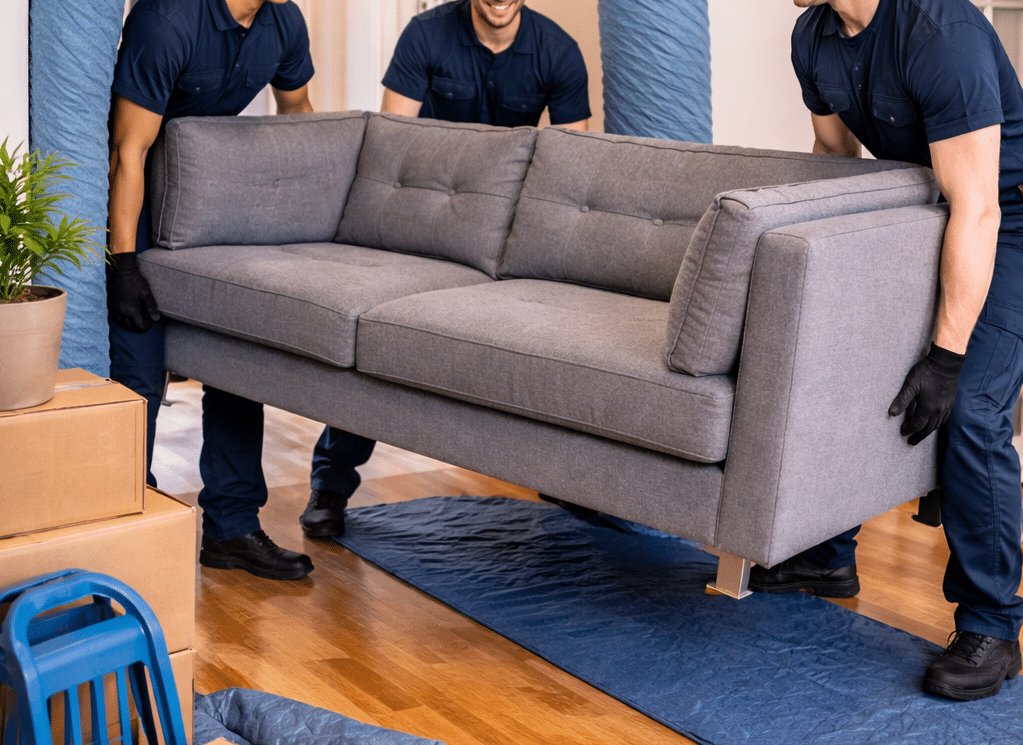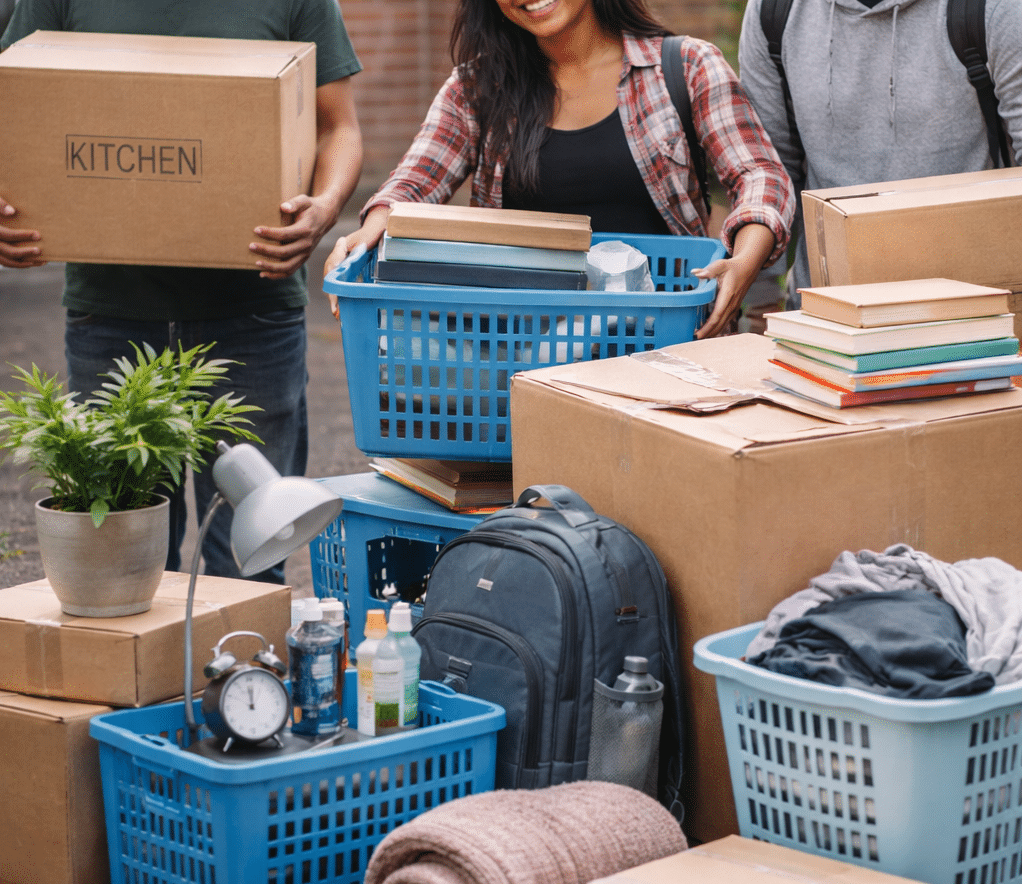
When it comes to moving, one of the easiest mistakes people make is underestimating how much the right packing materials matter. Cheap boxes, old tape, or a lack of cushioning can lead to broken items, wasted time, and unnecessary stress. Over the years at Truck About, I’ve seen how a well-packed move can mean the difference between a smooth transition and a frustrating one.
If you want your belongings to arrive safely, it starts with choosing the best packing materials in NZ — and knowing how to use them properly.
Why Good Packing Materials Matter
Packing isn’t just about fitting everything into boxes; it’s about protecting your items from movement, moisture, and impact. During transport, your boxes will be stacked, lifted, and shifted several times. A few corners cut in packing can lead to:
- Crushed or split boxes
- Broken glass, plates, or electronics
- Leaks from cleaning supplies or toiletries
- Lost time repacking or cleaning up damage
The right materials act as insurance for your belongings. You don’t need to spend a fortune — you just need to use the correct tools for each type of item.
Types of Moving Boxes
Not all boxes are created equal. Here’s a breakdown of the most useful types for different items:
- Standard Cartons (Medium Boxes): Ideal for everyday household items like books, clothes, and kitchenware. Easy to carry and stack.
- Large Boxes: Great for bulky but lightweight items such as bedding, towels, or cushions. Avoid overloading them with heavy items.
- Dish Packs or Double-Walled Boxes: Reinforced for fragile kitchen items like plates, glasses, and mugs. They resist crushing and provide extra protection.
- Wardrobe Boxes: Designed with a built-in hanging rail so you can transfer clothes directly from the wardrobe to the truck without folding.
- TV or Picture Boxes: Slim, padded boxes ideal for framed artwork or screens.
- Custom-Sized Boxes: For items like lamps, computer equipment, or sporting gear that don’t fit neatly into regular cartons.
If you’re unsure which size you’ll need, we can help estimate based on your home size and room count. Using correctly sized boxes reduces wasted space and prevents damage from shifting items.
Essential Packing Materials
Once you’ve chosen your boxes, the next step is getting the right materials to fill and seal them properly.
1. Packing Paper
Plain, ink-free paper is perfect for wrapping plates, glassware, and delicate ornaments. Avoid using newspaper — the ink can rub off and stain your items.
2. Bubble Wrap
Use bubble wrap for high-value or fragile items. Wrap each piece individually, then fill any remaining gaps inside the box to prevent movement.
3. Stretch Wrap
This cling-film-style wrap keeps drawers and furniture doors closed during transport. It also protects surfaces from scratches.
4. Packing Peanuts or Crushed Paper
Fill empty space inside boxes to absorb movement. These lightweight materials prevent items from knocking together while on the road.
5. Heavy-Duty Tape
Always use quality packing tape — not masking or duct tape. Apply at least two layers to the bottom and top seams of each box.
6. Labels and Markers
Clearly label every box by room and content. It speeds up unloading and helps our team place boxes exactly where you want them in your new home.
How to Pack Different Types of Items
Different materials need different handling. Here’s how to approach a few common categories:
Fragile Items
- Wrap each piece individually in paper or bubble wrap.
- Line the bottom and top of the box with crushed paper.
- Clearly mark “Fragile” and “This Side Up” on all sides.
Books and Media
- Use small, sturdy boxes. Books are deceptively heavy — overpacking leads to breakage and back strain.
- Stack flat or spine-up to prevent bending.
Clothes and Linen
- Keep clothes on hangers in wardrobe boxes.
- Roll items to save space and minimise wrinkles.
- Use bags for soft items like bedding to fill truck gaps safely.
Kitchen Items
- Use dish packs for plates and cups.
- Wrap knives in thick paper or towels, blade pointing down, and label clearly.
- Avoid overloading — lighter boxes reduce breakage risk.
Packing for Long-Distance Move
If you’re relocating between regions or islands, your boxes will spend more time on the truck. Use sturdier, double-walled cartons and reinforce all corners with tape.
Weather and humidity can also affect cardboard — so if you’re moving in wet or cold conditions, line boxes with plastic bags for moisture protection.
We often advise our clients to combine durable boxes with professional assistance for long-distance moving. Our packing services ensure every box is packed with proper cushioning and stacking strategy to handle long transit routes across NZ.
How to Avoid Common Packing Mistakes
Even with good materials, small missteps can cause issues. Here’s what to avoid:
- Overfilling boxes — this weakens the structure and makes lifting unsafe.
- Using old supermarket boxes — they’re often weak or contaminated with moisture.
- Forgetting to label boxes — you’ll lose time unpacking later.
- Skipping protection for heavy furniture corners.
Good packing is a combination of quality materials and attention to detail.
Eco-Friendly Packing Options
Sustainability matters more than ever. We encourage using recyclable or reusable materials whenever possible:
- Reuse boxes from previous moves if they’re still strong.
- Choose paper-based padding instead of plastic.
- Rent reusable moving crates for large moves.
At Truck About, we’re always exploring eco-conscious ways to reduce waste while keeping your belongings safe.
When to Leave It to the Professionals
Some moves are simply too large or complex to handle alone. If you’re short on time, moving fragile items, or managing a commercial relocation, professional packing is worth it.
Our team uses commercial-grade boxes and high-quality protective materials — the same ones used in professional freight shipping — to ensure nothing shifts or breaks during transit.
We can also handle your unpacking, storage, and disposal of packing waste once the move is complete.
Moving Made Simple with Truck About
Choosing the right packing materials doesn’t just save your belongings — it saves your sanity. With the right mix of durable boxes, protective wrapping, and smart labelling, your move can be fast, efficient, and stress-free.
If you’re planning a move and need advice or supplies, explore our pack and move services or contact us to request a quote. We’ll help you pack smarter so you can move with confidence.